The Overlooked Power of Dialogue in Dental Care
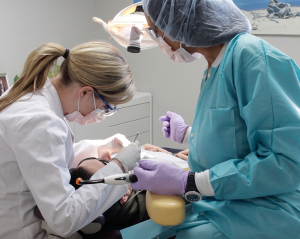
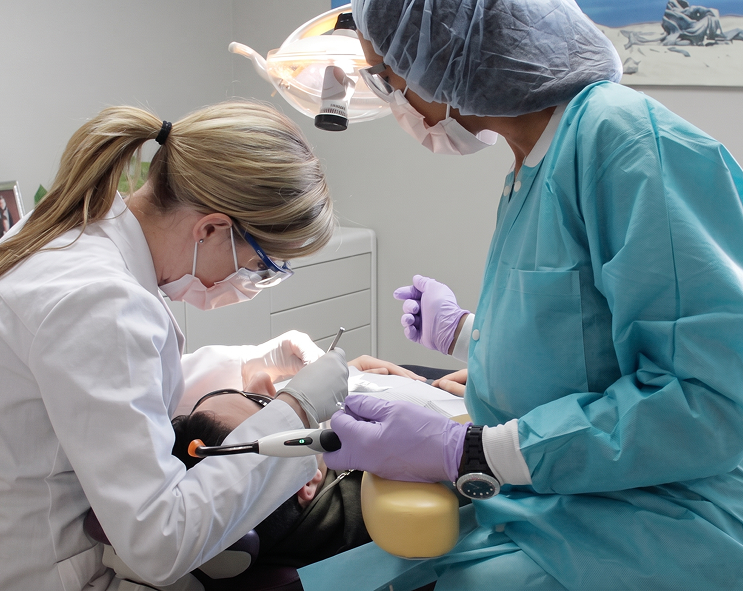
When patients settle into the dental chair, many view the appointment as a one-way street: the hygienist works, the patient endures, and everyone moves on with their day. However, this perception misses a crucial element of effective oral healthcare. The conversation between patient and a dentist Wakefield serves as far more than pleasant small talk—it forms the foundation of personalised, preventive care that can transform dental outcomes for years to come.
Dental hygienists possess specialised knowledge that extends well beyond the mechanical removal of plaque and tartar. Their expertise encompasses nutrition, oral disease prevention, and the intricate connections between oral health and systemic wellbeing. When patients actively engage in dialogue during their appointments, they unlock access to this wealth of knowledge, receiving tailored advice that addresses their unique circumstances, habits, and concerns.
Building a Comprehensive Picture of Your Oral Health
Open communication allows hygienists to gather essential information that visual examination alone cannot reveal. Details about dietary habits, stress levels, medication changes, or new health conditions all influence oral health in significant ways. A private dental practice relies on this collaborative exchange to provide truly comprehensive care.
Understanding Your Personal Risk Factors
Every mouth tells a different story, and research demonstrates the importance of individualised care approaches in dental hygiene. Through conversation, hygienists can identify specific risk factors that might otherwise go unnoticed. Someone who mentions increased coffee consumption might receive targeted advice about staining prevention. A patient discussing pregnancy plans can learn about hormonal changes that affect gum health. These personalised insights prove far more valuable than generic dental advice.
Addressing Anxieties and Building Trust
Dental anxiety affects a substantial portion of the population, often preventing individuals from seeking necessary care. Regular dialogue with a hygienist helps to demystify procedures, explain sensations, and establish a relationship built on trust rather than fear. When patients feel comfortable asking questions and expressing concerns, they become active participants in their care rather than passive recipients.
The Educational Dimension of Hygienist Conversations
Dental hygienists serve as educators first and foremost, and their ability to convey complex information in accessible terms depends entirely on two-way communication. When patients ask questions about proper flossing techniques, electric toothbrush recommendations, or the best products for sensitive teeth, they receive evidence-based guidance tailored to their specific needs. This educational exchange proves infinitely more effective than passively reading generic pamphlets in the waiting room.
Tracking Changes Over Time
Regular conversations create a longitudinal record of a patient’s oral health journey. Hygienists who see the same patients consistently can identify subtle changes—a new area of recession, increased sensitivity, or improvements following previous recommendations. This continuity of care, enhanced by ongoing dialogue, allows for early intervention before minor issues escalate into significant problems requiring extensive treatment.
Professional Standards and Patient Communication
The importance of effective communication in dental care is recognised at the highest professional levels. The General Dental Council emphasises communication and consent as fundamental principles of ethical practice. Hygienists are trained not only in clinical skills but also in intentional communication strategies that enhance patient experience and outcomes.
Empowering Patients Through Knowledge
When hygienists explain the ‘why’ behind their recommendations, patients gain understanding that motivates behavioural change. Learning how bacteria colonise tooth surfaces makes the importance of thorough brushing more tangible. Understanding the link between gum disease and cardiovascular health elevates oral care from cosmetic concern to essential health practice. This empowerment through education represents one of the most valuable aspects of hygienist conversations.
Maximising the Value of Your Appointments
The next time an appointment with a dentist approaches, patients should prepare questions and topics for discussion. Whether concerns involve bleeding gums, bad breath, or simply optimising one’s home care routine, hygienists welcome these conversations. They represent opportunities to provide truly personalised care that addresses individual circumstances rather than applying blanket recommendations.
Dental health thrives on partnership between patient and practitioner. By embracing regular, meaningful conversation with dental hygienists, patients transform routine appointments into powerful opportunities for education, early intervention, and long-term oral health success. The simple act of speaking up during these visits pays dividends that extend far beyond the dental chair.