Understanding the Remarkable Engineering Behind Modern Implant Technology
The human mouth presents one of the most challenging environments for any medical device. Throughout a typical day, the oral cavity experiences dramatic temperature fluctuations—from piping hot coffee in the morning to ice-cold beverages in the afternoon—whilst simultaneously enduring substantial mechanical forces during chewing. Yet modern dental implants Northern Ireland demonstrate exceptional stability under these demanding conditions. The science behind this remarkable durability offers fascinating insights into both materials engineering and biological integration.
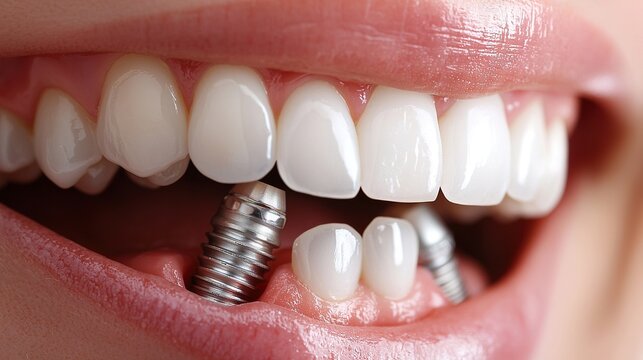
Dental implants have revolutionised restorative dentistry over the past several decades, transforming the lives of millions who have experienced tooth loss. Unlike traditional dentures or bridges, these titanium posts integrate directly with the jawbone, creating a permanent foundation for replacement teeth. However, their success relies heavily on their ability to withstand the constant environmental challenges presented by normal eating and drinking habits.
The Science of Thermal Expansion and Contraction
When materials are exposed to temperature changes, they naturally expand when heated and contract when cooled. This phenomenon, known as thermal expansion, could theoretically compromise the stability of dental implants if not properly accounted for during design and manufacturing. The oral cavity regularly experiences temperatures ranging from near freezing when consuming ice cream to approximately 60 degrees Celsius when drinking hot beverages.
Titanium, the primary material used in most dental implants, possesses a remarkably low coefficient of thermal expansion. This property means that titanium experiences minimal dimensional changes across the temperature ranges encountered during normal eating and drinking. Research examining heat transfer in dental implants has demonstrated that the material’s thermal characteristics closely match those of natural bone, reducing the risk of mechanical stress at the implant-bone interface.
Osseointegration: The Foundation of Implant Stability
The Biological Bond That Ensures Long-Term Success
The true secret to dental implant stability lies not merely in the materials themselves but in the biological process known as osseointegration. This phenomenon describes the direct structural and functional connection between living bone tissue and the surface of the implant. Following surgical placement, bone cells gradually grow onto and around the titanium surface, creating a bond that can be stronger than the connection between natural teeth and bone.
How Osseointegration Withstands Daily Challenges
The osseointegrated connection provides exceptional resistance to the forces generated during chewing, which can reach up to 200 newtons during normal mastication. This biological anchoring system distributes mechanical loads throughout the surrounding bone structure, preventing localised stress concentrations that could compromise stability. The titanium oxide layer that forms naturally on the implant surface encourages bone cell attachment whilst simultaneously protecting against corrosion from the acidic environment within the mouth.
Studies examining the biomechanical properties of osseointegrated implants have confirmed that properly integrated implants can withstand the same functional demands as natural teeth. The bone tissue continuously remodels around the implant in response to mechanical loading, adapting to the stresses placed upon it through everyday activities such as chewing, speaking, and grinding.
Material Selection and Surface Treatment
Modern implant manufacturers employ sophisticated surface treatments to enhance stability and promote faster osseointegration. These treatments create micro-textured surfaces that increase the contact area between bone and implant, whilst also encouraging cellular attachment. The combination of biocompatible materials and advanced surface engineering ensures that implants remain stable even when subjected to the thermal cycling and mechanical stresses of daily life.
Titanium alloys used in contemporary implants possess excellent corrosion resistance, ensuring that repeated exposure to acidic foods, hot beverages, and cold treats does not degrade the material over time. Clinical research on implant longevity demonstrates success rates exceeding 95% over ten-year periods when proper placement protocols are followed and patients maintain appropriate oral hygiene.
The Future of Implant Stability
The remarkable stability of dental implants Northern Ireland represents a triumph of materials science, surgical technique, and biological understanding. As patients enjoy their favourite foods and beverages throughout the day, the sophisticated interplay between titanium engineering and natural bone biology works silently to maintain the integrity of their replacement teeth. Ongoing research continues to refine implant designs and surface treatments, promising even greater reliability and longevity for future generations of patients seeking to restore their smiles with confidence and permanence.